Employers are placing increasing emphasis on how interns communicate, adapt, and operate within professional environments. Although technical knowledge remains important, soft skills in some cases can determine whether an intern is seen as employable beyond their placement.
In 2026, employers are expected to place even greater value on interns who can contribute meaningfully from an early stage, work effectively with others, and respond well to change. These skills are not always taught in classrooms, but internships provide a practical setting where they can be developed and observed.
This article explores the essential soft skills employers expect from interns, and how students can build them during their placements.
Why Soft Skills Matter More Than Ever

Internships bridge the gap between study and employment. They allow employers to assess how students apply knowledge in real workplaces and how they interact with teams, clients, and systems.
Australian universities and career services consistently highlight that internships help students develop professional behaviours that cannot be replicated through coursework alone. Exposure to workplace expectations, feedback and collaboration plays a key role in shaping job-ready graduates, as outlined by La Trobe University’s careers guidance on the importance of internships.
For employers, soft skills influence decisions about whether an intern is suitable for ongoing employment.
Communication Skills in Professional Settings
Clear and professional communication is one of the most consistently valued skills across industries, from finance to marketing, law, and information technology.
Employers recommend interns to:
- Communicate respectfully with colleagues at all levels
- Ask questions when clarification is needed
- Provide updates on progress and deadlines
- Adjust communication style depending on context
This includes written communication, verbal discussions, and participation in meetings. Interns who communicate build trust within teams.
Adaptability in Changing Work Environments
Workplaces are continuing to change due to new technology, flexible working arrangements and evolving business needs. Employers value interns in a placement training program who are good at:
- Learning new systems or tools quickly (for example, a customer management system)
- Responding constructively to changes in priorities
- Taking feedback on board and adjusting approach
- Remaining professional during busy periods
Interns who demonstrate adaptability show employers they can cope with the realities of modern work environments.
Accountability and Professional Responsibility
Employers expect interns to take responsibility for their work, such as:
- Meeting agreed deadlines
- Owning mistakes and learning from them
- Following workplace policies and procedures
- Managing time effectively
Accountability reassures employers that an intern can be trusted with responsibility as their role develops.
Teamwork and Collaboration
Most professional roles involve working with others. Internships allow employers to assess how well a student functions within a team.
Strong teamwork skills include:
- Contributing respectfully to group settings
- Listening to different perspectives
- Supporting shared goals rather than focusing only on individual tasks
- Being reliable and consistent
Interns who collaborate are often easier to integrate into permanent teams.
Willingness to Learn and Accept Feedback
Interns are not expected to know everything. Employers do expect openness to learning.
A willingness to learn is demonstrated through:
- Asking thoughtful questions
- Seeking feedback on performance
- Applying feedback in future tasks
- Showing curiosity about the organisation and role
This mindset signals long-term potential rather than short-term performance.
Professional Judgement and Boundaries
In 2026, employers will look at how interns exercise judgment in workplace situations. Examples are:
- Knowing when to ask for guidance
- Respecting confidentiality and workplace boundaries
- Using discretion in communication
- Understanding appropriate workplace behaviour
Professional judgement develops through exposure and reflection, both of which internships provide.
Self-Management and Organisation
With hybrid and flexible work becoming more common, employers value interns who can manage themselves. Self-management skills might be:
- Prioritising tasks
- Managing workload without constant supervision
- Staying organised across multiple responsibilities
- Maintaining focus and professionalism
Interns who demonstrate these skills often require less oversight and integrate more smoothly into professional roles.
Building Soft Skills Through Internship Experience
Soft skills develop through practice, and internships create opportunities to build them by:
- Working alongside experienced professionals
- Receiving real-time feedback
- Navigating workplace expectations
- Applying academic knowledge in practical contexts
As highlighted by Australian university career services like Deakin University, internships allow students to translate theory into practice while developing employability skills valued across industries.
Read: Interning in Melbourne: How to Leverage the City's Business Scene.
How Employers Assess Soft Skills During Internships
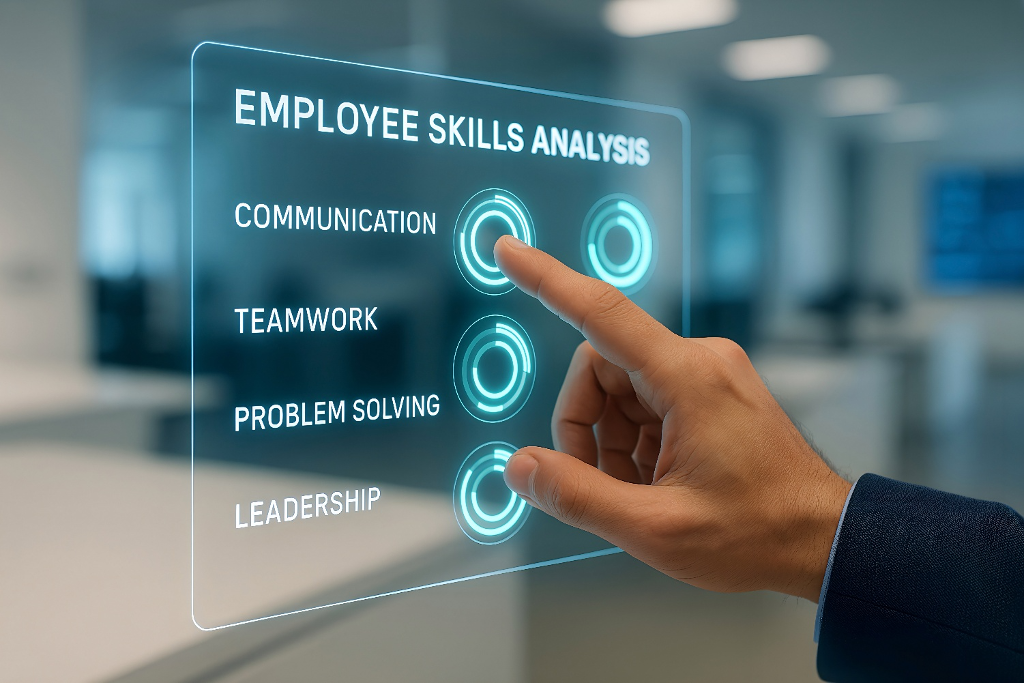
Employers rarely assess soft skills through formal testing. Instead, they look at how interns behave in day-to-day situations over time:
- Communication, such as clarity, tone and responsiveness in emails, meetings, and conversations
- Adaptability, reflected in how interns respond to change, feedback or shifting priorities
- Professional judgement, including conduct, discretion, and respect for workplace boundaries
- Accountability, demonstrated through reliability and follow-through on tasks
- Teamwork, shown by collaboration, listening skills and respect for others
Internships give employers ongoing exposure to these behaviours in real workplace settings, making it easier to assess whether an intern is suited to future roles within the organisation.
Prepare for the Skills Employers Want: Speak to Premium Graduate
As employer expectations continue to evolve, interns who develop strong soft skills alongside technical capability are better positioned for long-term career progression.
If you are looking to gain internship experience or strengthen skills, Premium Graduate supports students through:
- A national network of 6,200+ host companies across Australia
- Structured internship programs designed to develop real workplace capability
- Pre-placement preparation, including resume support and role readiness
- Access to off-market internship opportunities not publicly advertised
- A proven pathway, with over 72% of internships progressing into full-time roles
Contact us today for skill-building internships in business analytics, science, human resources, chemical engineering, cyber security, and more.
View our internship board, real stories, and industry sectors.


.png)